
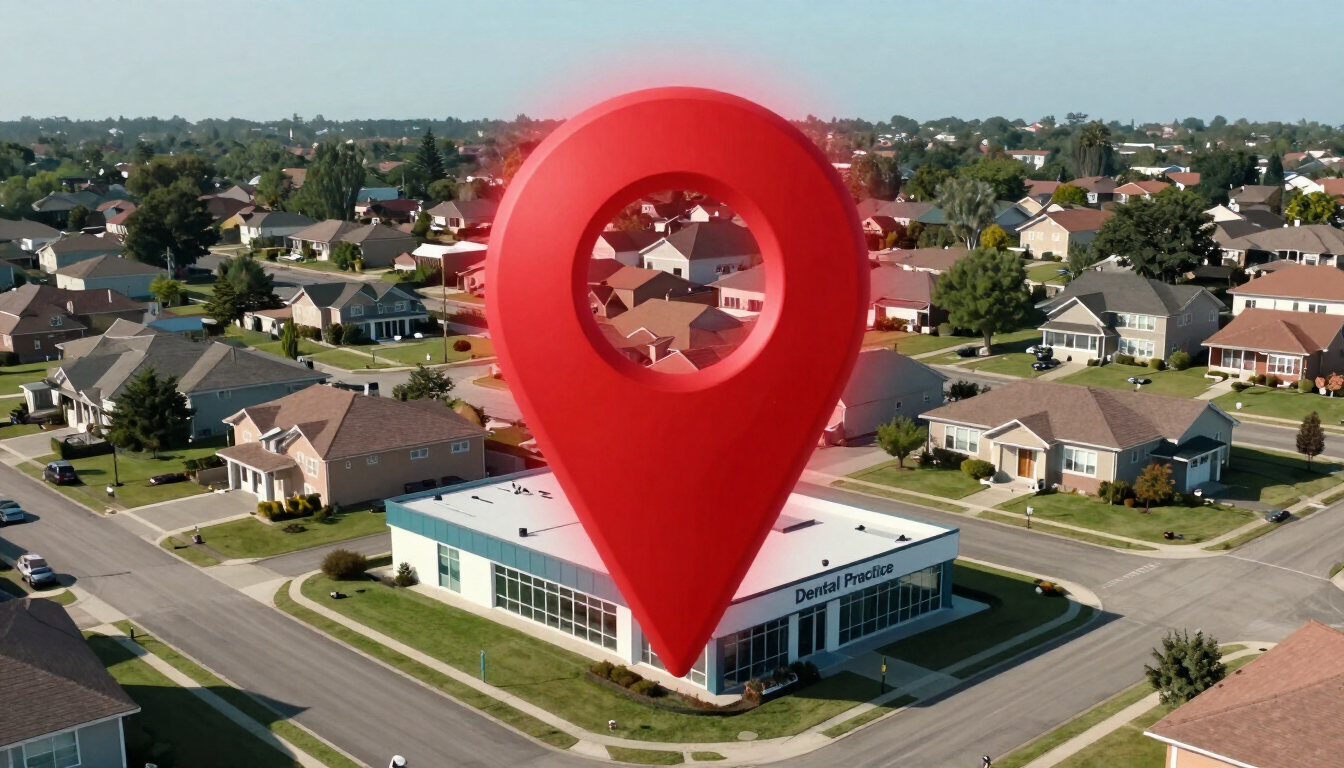
In today’s digital age, Google Maps Marketing for dentists is more crucial than ever for attracting new patients. This comprehensive guide provides actionable insights and strategies to optimize your dental practice’s online presence, ensuring you stand out in local search results.
Table of Contents
- 🚀 Introduction to Dominating Google Maps Marketing for Dentists
- 📈 The Importance of Google Maps in Your Marketing Strategy
- 🔍 Overview of Previous Webinars and Today’s Focus
- 🛠️ Latest Changes and Challenges with Google Maps
- 📊 Proven Strategies for Ranking in Google Maps
- 📚 Real-World Examples and Success Stories
- 🔄 Understanding and Adapting to Google Maps Changes
- ❌ Common Mistakes and How to Avoid Them
- 🚀 Advanced Techniques for Google Maps Optimization
- 📊 Analyzing Customer Actions and Trends
- 📸 Importance of Posting Photos and Google Posts
- 📝 Responding to Reviews Professionally
- ⚠️ Handling Negative Reviews and Customer Questions
- 🏗️ Building and Managing Citations
- 🛠️ Tools and Best Practices for Citations
- 📈 Review Automation and SEO Optimization
- 🖥️ On-Page SEO Strategies
- 🌍 Off-Page SEO and Content Syndication
- 🎯 Conclusion and Special Offers
- ❓ FAQ
🚀 Introduction to Dominating Google Maps for Dentists
In today’s competitive landscape, Google Maps for dentists is not just an option—it’s a necessity. This platform is where potential patients are searching for services like yours. Mastering Google Maps means ensuring your practice stands out in local searches, which can directly impact your patient acquisition.
Understanding how to optimize your Google Maps listing can significantly enhance your visibility. It’s about more than just having a profile; it’s about making that profile work for you, driving traffic, and converting leads into loyal patients.

📈 The Importance of Google Maps in Your Marketing Strategy
Google Maps is a critical component of your overall marketing strategy. When potential patients search for a dentist in their area, they often rely on Google Maps to find local options. In fact, statistics show that over 49% of clicks and calls come from the top three Google Map listings.
Being visible on Google Maps not only increases your chances of getting found but also enhances your credibility. Reviews and ratings on your Google Business Profile can influence a patient’s decision, making it vital to manage your online reputation effectively.
🔍 Overview of Previous Webinars and Today’s Focus
In previous webinars, we’ve covered various aspects of digital marketing for dentists, including website optimization and SEO strategies. Today, our focus is solely on Google Maps, where we’ll dive deep into the latest changes, challenges, and proven strategies for ranking effectively.
Understanding the current landscape of Google Maps is crucial. We’ll also discuss how past strategies may no longer be effective and what you can do to adapt to these changes.

🛠️ Latest Changes and Challenges with Google Maps
Google Maps is constantly evolving, and staying updated on these changes is essential for maintaining your ranking. Certain tactics that worked in the past may now hinder your visibility. For instance, changes in Google’s algorithms can affect how listings are ranked and displayed.
It’s crucial to regularly audit your Google Business Profile and make necessary adjustments to stay competitive. We will highlight the five common pitfalls that could be dragging your listings down and how to avoid them.
📊 Proven Strategies for Ranking in Google Maps
When it comes to ranking in Google Maps, there are several proven strategies you can implement. First, ensure your Google Business Profile is fully optimized. This includes accurate business information, high-quality images, and engaging descriptions.
Next, focus on gathering and managing customer reviews. Positive reviews improve your visibility and credibility, encouraging more potential patients to choose your practice.
- Optimize your profile: Include relevant keywords and categories.
- Encourage patient reviews: Ask satisfied patients to leave feedback.
- Maintain consistent NAP: Ensure your Name, Address, and Phone number are consistent across all platforms.
📚 Real-World Examples and Success Stories
To illustrate the effectiveness of these strategies, let’s look at some real-world examples. Many dental practices have seen significant increases in patient leads after optimizing their Google Maps presence. For instance, one of our clients reported receiving 68 new leads in just one month from their Google Maps listing alone.
These success stories highlight the importance of Google Maps in your marketing efforts. By implementing the right strategies, you too can experience similar results and transform your practice’s patient acquisition efforts.
🔄 Understanding and Adapting to Google Maps Changes
Google Maps is continuously evolving, and as a dentist, it’s vital to stay informed about the changes that affect your practice’s visibility. Over the past few years, significant adjustments have occurred, including a shift from seven map results to just three on the first page. This reduction means that competition for visibility has intensified.
Moreover, Google has integrated AI into its search algorithms, enhancing the accuracy of local listings. To ensure your practice remains visible, regularly update your Google Business Profile with relevant local keywords and detailed service descriptions. This proactive approach sends strong signals to Google, helping your practice stand out.
❌ Common Mistakes and How to Avoid Them
Many dentists unknowingly make critical mistakes that hinder their Google Maps ranking. One common error is failing to maintain consistent NAP (Name, Address, Phone number) across various online platforms. Inconsistencies can confuse Google and potential patients, leading to lower visibility.
Another mistake is neglecting to respond to reviews or failing to manage your online reputation actively. Engaging with patients through responses to reviews demonstrates that you value their feedback, which can positively influence new patients.
- Inconsistent Business Information: Ensure your NAP is the same across all platforms.
- Ignoring Reviews: Regularly respond to both positive and negative reviews.
- Outdated Business Profile: Update your Google Business Profile at least monthly.
🚀 Advanced Techniques for Google Maps Optimization
To truly excel in Google Maps, consider implementing advanced local SEO techniques. Building local backlinks can significantly enhance your practice’s authority in the eyes of Google. Collaborate with local businesses or organizations to create mutually beneficial relationships that can lead to backlinks.
Additionally, leveraging patient reviews is essential. Encourage satisfied patients to leave reviews, as the quantity and quality of reviews directly impact your ranking. The more authentic reviews you have, the better your chances of appearing at the top of search results.
📊 Analyzing Customer Actions and Trends
Understanding customer behavior is crucial for refining your Google Maps strategy. Utilize the insights from your Google Business Profile to analyze how potential patients interact with your listing. Look for metrics such as the number of calls, requests for directions, and website visits.
These metrics can help identify trends in patient behavior. Are patients more likely to call during specific hours? Do they visit your website after seeing your Google Maps listing? Use this data to adjust your marketing strategies accordingly and optimize your presence on Google Maps.
📸 Importance of Posting Photos and Google Posts
Visual content plays a significant role in attracting potential patients. Regularly posting high-quality photos of your practice, staff, and services can enhance your Google Business Profile’s appeal. Aim to upload at least two or three new photos each month to keep your profile fresh and engaging.
Additionally, utilizing Google Posts is an effective way to share updates, promotions, or events. These posts can provide valuable information to potential patients and keep your practice top-of-mind. Remember, consistency is key—try to post at least once every 90 days to maintain engagement.
📝 Responding to Reviews Professionally
Managing your online reputation is crucial for maintaining trust with potential patients. When responding to reviews, always remain professional and courteous. Thank patients for their positive feedback, and for negative reviews, acknowledge their concerns without becoming defensive.
Consider having a third party manage your responses if you find it challenging to remain objective. This strategy can help you craft thoughtful replies that address patient issues while maintaining your practice’s reputation.
⚠️ Handling Negative Reviews and Customer Questions
Negative reviews can be disheartening, but how you handle them can significantly impact your practice’s reputation. Always respond promptly to negative feedback, showing that you care about patients’ experiences. If possible, offer to resolve the issue offline by providing contact information for further discussion.
Additionally, proactively addressing common customer questions in your Google Business Profile can help alleviate concerns. This not only demonstrates your commitment to patient satisfaction but also improves your visibility in search results.
🏗️ Building and Managing Citations
Building citations is a vital aspect of optimizing your Google Maps for dentists. Citations are references to your practice’s name, address, and phone number (NAP) across various online directories. The more consistent and widespread these references are, the better your visibility in search results.
To start, aim to get your practice listed in multiple online directories such as Yellow Pages, Yelp, and local Chamber of Commerce websites. Additionally, consider industry-specific directories like Vitals, Healthgrades, and dental association directories. Each citation is an opportunity to enhance your credibility and improve your ranking.
Key Components of Effective Citation Management
- Consistency: Ensure that your NAP is the same across all platforms. Variations can confuse search engines and potential patients.
- Diversity: Aim for a wide range of citations. Utilize both manual submissions and data aggregators to maximize your reach.
- Monitoring: Regularly check your listings for accuracy and completeness. Tools like BrightLocal can help you manage this process efficiently.
🛠️ Tools and Best Practices for Citations
Utilizing the right tools can streamline the citation-building process. Here are some of the best tools and practices for managing your citations effectively:
- BrightLocal: A comprehensive tool for tracking and managing citations across various directories.
- Yext: Allows you to manage your listings and ensure data accuracy across hundreds of directories.
- WhiteSpark: Excellent for discovering new citation opportunities and managing existing ones.
It’s essential to manually claim your Google Business Profile listing. This allows you to manage your information directly and respond to reviews. Once you’ve established your citations, regularly audit them to ensure consistency and address any discrepancies.
📈 Review Automation and SEO Optimization
Reviews play a crucial role in your online reputation and search engine optimization (SEO). Automating the review process can significantly enhance the number of positive reviews you receive. Implementing a review funnel system, which integrates with your practice management software, allows you to request reviews seamlessly after patient visits.
Encourage your staff to actively engage with patients about leaving reviews. Simple strategies like printed review cards or QR codes at the reception can facilitate this process. Remember, the goal is to create a culture where asking for feedback is part of the patient experience.
🖥️ On-Page SEO Strategies
On-page SEO is critical for ensuring that your website is optimized for search engines. Here are some essential strategies to enhance your on-page SEO:
- Unique Content: Each page on your website should have unique, high-quality content. Avoid duplicating content as this can hurt your rankings.
- Keyword Research: Identify keywords relevant to your practice and incorporate them into your page titles, headings, and content.
- Service Pages: Create dedicated pages for each service you offer. This not only helps with SEO but also improves user experience.
Additionally, ensure that your website is mobile-friendly and loads quickly. Google considers these factors in its ranking algorithms, making them essential for your online visibility.
🌍 Off-Page SEO and Content Syndication
Off-page SEO encompasses all activities that occur outside your website to improve its ranking. This includes building backlinks, social media engagement, and content syndication. Creating high-quality, shareable content can attract backlinks from reputable sites, enhancing your authority in the dental field.
Consider using content syndication platforms to distribute your blog posts and articles. This not only broadens your reach but also helps in generating backlinks, which are critical for improving your search engine rankings.
🎯 Conclusion and Special Offers
In conclusion, mastering Google Maps for dentists involves a multifaceted approach that includes building citations, managing reviews, and implementing robust SEO strategies. By utilizing the right tools and practices, you can significantly enhance your online visibility and attract more patients to your practice.
As a special offer, we invite you to access our free eBook on mastering Google Business Profiles. This resource is packed with valuable insights that will help you optimize your online presence. Additionally, consider scheduling a free strategy session with us to discuss how we can assist you in achieving your marketing goals.
❓ FAQ
Where do I control my Google Maps Listing?
Your Google Maps Listing is controlled via your business’s Google Business Profile. This is essentially Google’s local citation platform. This is the dashboard that Google wants you to utilize to keep Google and the public informed about important aspects of your business. To learn more click here.
What are citations, and why are they important for my dental practice?
Citations are online references to your practice’s name, address, and phone number. They help improve your visibility in local search results and enhance your credibility with potential patients.
How can I automate the review process for my dental practice?
Implementing a review funnel system that integrates with your practice management software will allow you to automate review requests after patient visits, making it easier to gather feedback.
What tools should I use for managing my citations?
BrightLocal, Yext, and WhiteSpark are excellent tools for managing and tracking your citations across various online directories.
How often should I update my Google Business Profile?
Make it a habit to review and update your Google Business Profile at least once a month to ensure all information is accurate and current.
What is the best way to encourage patients to leave reviews?
Train your staff to ask for reviews actively, provide printed cards or QR codes at the reception, and follow up with patients via email or text after their appointments.
Get Your Practice Ranking Higher On Google Maps Now!
Schedule a complimentary strategy session with Ian.