How To Leverage Video And Multi-Media For Dental Practices
All PostsPractice GrowthUpdated

How To Leverage Video And Multi-Media For Dental Practices

In this webinar, Ian Cantle shares how video marketing for dentists can improve your engagement and conversions — with practical tips and tools you can use today.

Video is the most watched, most shared, and most algorithm-favoured content format across every major social platform in 2026. For dental practices, it is also one of the most underused.

Most practices still rely on static graphics and text posts while their competitors are building genuine trust and visibility through short-form video. The gap is not equipment or budget — it is knowing what to make and how to make it without it taking over your schedule. This guide covers exactly that: the video formats that work for dental practices right now, and practical production tips that require nothing more than a smartphone and a few minutes of preparation.

Why Video Works Differently for Dental Practices

Dental care is an anxiety-driven category. A significant portion of the population avoids the dentist not because they do not value their oral health but because they are nervous — about pain, about judgment, about not knowing what to expect. Video addresses this barrier more effectively than any other content format because it shows rather than tells.

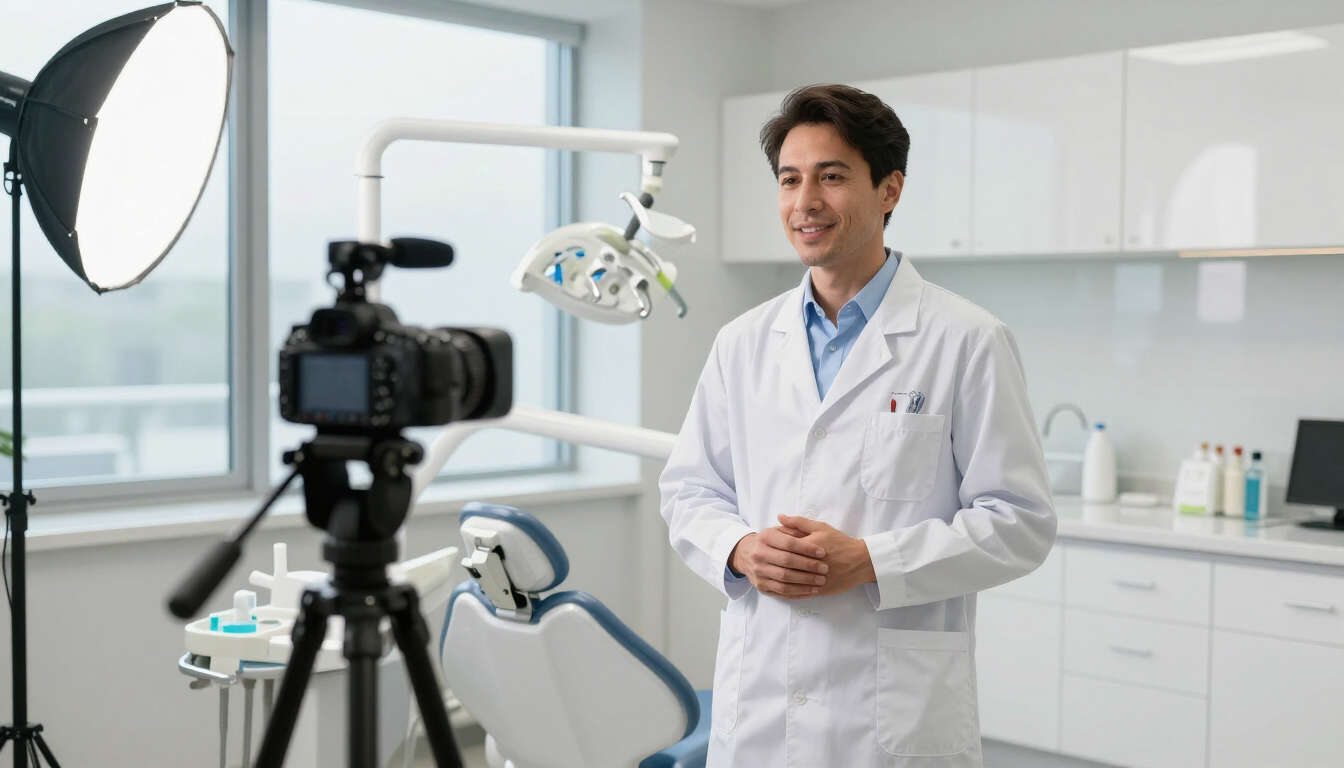
Dental practice leveraging video and multimedia content to educate patients, build trust and attract new appointments

A 30-second tour of your operatory shows patients that the space is clean, modern, and non-threatening. A 60-second introduction from a hygienist shows that the team is warm and approachable. A patient speaking on camera about how comfortable their Invisalign experience was carries more persuasive weight than five paragraphs of copy saying the same thing. According to Wyzowl's 2026 State of Video Marketing report, 89% of people say watching a video has convinced them to buy a product or service — and healthcare is no exception.

Video also receives preferential algorithmic treatment on every major platform. Instagram Reels, TikTok, YouTube Shorts, and Facebook Reels all actively push short-form vertical video to users who do not already follow you — making video the single best organic reach tool available to practices that are not yet ready to spend on paid advertising.

The Four Video Formats Every Dental Practice Should Use

1. Short-Form Vertical Video (Reels, TikTok, YouTube Shorts)

Short-form vertical video — filmed in portrait mode at 9:16 aspect ratio, typically 30 to 90 seconds — is the dominant content format across Instagram Reels, TikTok, Facebook Reels, and YouTube Shorts in 2026. All four platforms distribute this content beyond your existing followers, giving even new or small accounts the potential to reach thousands of local people with zero paid spend.

For dental practices, the best-performing short-form topics include: quick oral health tips ("Here's why you should floss before you brush, not after"), myth-busting ("Myth: whitening damages your enamel — here's what the research actually says"), before-and-after reveals with patient consent, day-in-the-life clips of the practice, and responses to questions patients frequently ask. The hook — the first two seconds — determines whether someone watches or scrolls. Start with a statement, a question, or a visual that immediately signals value: "Most people are brushing their teeth wrong. Here's what to do instead."

Posting two to three short-form videos per week across Instagram and TikTok simultaneously (the same video can be posted on both) is a realistic and manageable cadence for most practices. Consistency over three to six months compounds significantly in both follower growth and patient enquiries.

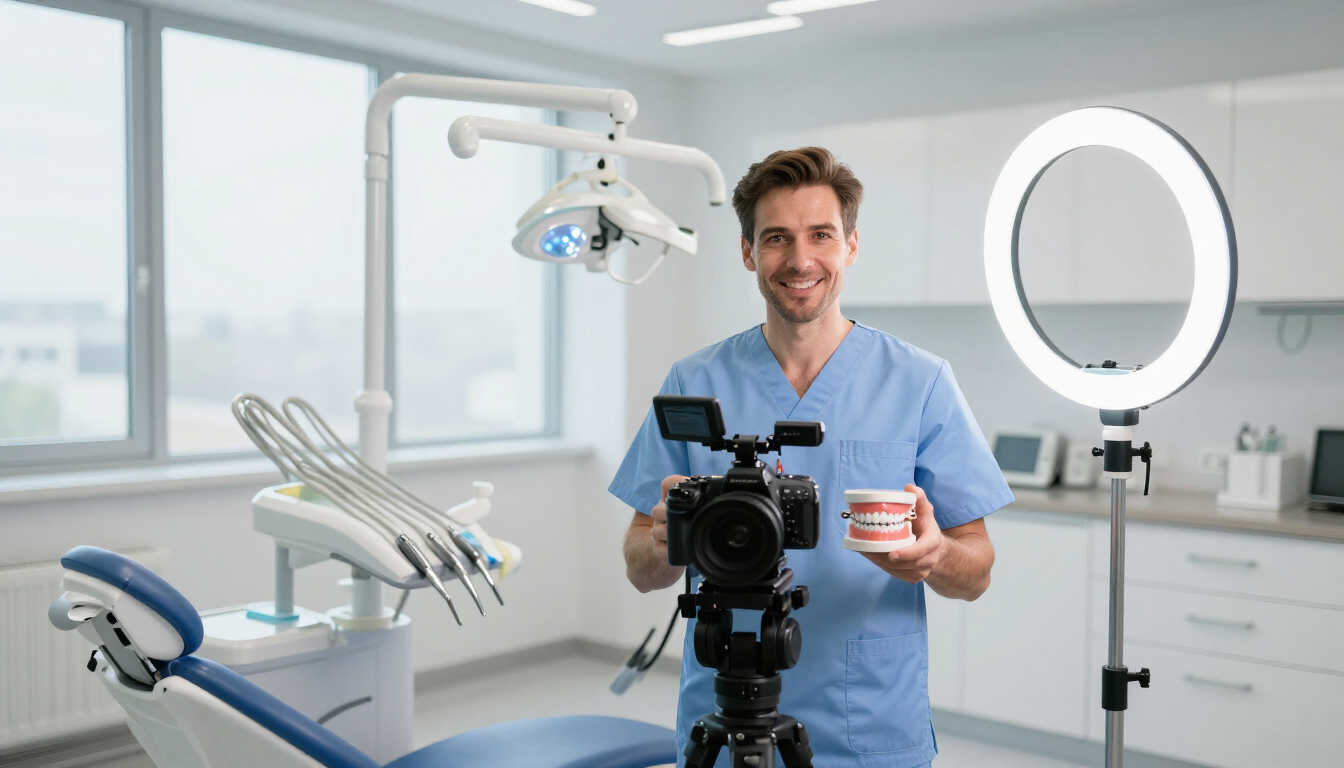
Dental team producing professional video content that showcases expertise and drives patient confidence and bookings

2. Patient Testimonial Videos

A patient speaking on camera about their experience at your practice is the most persuasive marketing content you can produce. It is authentic, specific, and credible in a way that no amount of professional copywriting can replicate. In a category where trust is the primary purchase driver, peer testimony is extraordinarily powerful.

The practical approach: identify five to ten patients who have had transformative experiences — significant cosmetic work, successful implants, a patient who was previously anxious and is now comfortable — and ask them personally if they would be willing to share a few words on camera. Most will say yes, especially if you frame it as helping other patients who feel the way they used to feel. Keep it brief and unscripted: three questions ("What were you nervous about before coming in?", "What was your experience actually like?", "What would you say to someone who has been putting off going to the dentist?") and two to three minutes of honest answers.

These longer testimonial videos can live on your website's homepage and service pages, be edited into shorter clips for Reels, and be used as video ads on Meta and Google — giving you multiple assets from a single recording session.

3. Procedure Explainer Videos

One of the most common reasons patients postpone treatment is not cost — it is not knowing what a procedure involves. A short explainer video that walks through what to expect before, during, and after a root canal, an implant placement, or an Invisalign scan removes a significant psychological barrier to booking.

These videos work best as 60 to 120 second overviews filmed in the practice, delivered directly to camera by the treating dentist. They do not need to be technically precise — they need to be reassuring and human. "Here's what actually happens when you come in for a root canal, and why it's much more comfortable than most people expect" is the right tone. Publish these on your service pages, share them as posts, and pin the most-viewed ones to the top of your social profiles.

4. Team and Practice Culture Videos

Patients choose a practice based on clinical competence and interpersonal trust in roughly equal measure. Culture videos — the team celebrating a colleague's work anniversary, a behind-the-scenes look at how the practice prepares for a big cosmetic case, a quick "meet the team" introduction series — build the human connection that makes a patient feel safe before they ever walk through the door.

These videos also consistently generate the highest engagement from your existing patient base, which signals to platform algorithms that your content is worth showing to a broader audience. A 45-second video of your front desk team doing a fun challenge during a quiet afternoon can reach more people than a carefully produced promotional post, simply because it generates genuine reactions.

Practical Tips for Quality Video Without Expensive Equipment

The number one reason dental practices do not make video is the assumption that it requires professional equipment and production. It does not. The smartphone in your pocket is capable of producing video that performs excellently on every social platform.

Lighting matters more than the camera. Film facing a window or invest in a ring light (under $60 at most electronics retailers). Good lighting makes any smartphone look professional. Avoid filming with a window behind you — backlighting creates a dark, unflattering silhouette.

Audio is often more important than video quality. Viewers will tolerate slightly grainy video but will immediately stop watching if the audio is hard to hear. A clip-on lavalier microphone that plugs into your phone's headphone jack costs $20 to $40 and dramatically improves audio quality compared to the built-in microphone. If filming in a treatment room, turn off any equipment that produces background noise.

Stabilise the shot. Shaky handheld video is distracting. A simple phone tripod or ring light with a phone mount keeps the frame steady and looks far more professional. For walking shots or tours, move slowly and deliberately — or use your phone's built-in stabilisation mode.

Film vertically. Portrait orientation (9:16) is the native format for Reels, TikTok, and YouTube Shorts. Horizontal video shot for these platforms is cropped or letterboxed, which looks unprofessional and reduces screen real estate.

Keep the background clean and branded. Film in front of a tidy section of your practice — a branded wall, a clean reception counter, the treatment chair — rather than in a cluttered back office. The background context reinforces that you are a real, professional practice.

Batch your filming. Rather than trying to film one video per week, block 45 to 60 minutes once a month and film four to six short videos back to back. With a simple content plan prepared in advance, a team member who is comfortable on camera, and good lighting, you can produce a month's worth of content in a single session.

Connecting Video to Your Full Marketing System

Video content that lives only on social media is leaving significant value on the table. Embed testimonial videos on your homepage and relevant service pages — they increase average time on page and convert hesitant visitors into booked patients. Use your best-performing organic Reels as the creative for paid Facebook and Instagram ads. Clip patient testimonials into 15-second versions for YouTube pre-roll ads. Include a video link in your monthly email newsletter.

Every piece of video you create can serve multiple channels, which means the return on each recording session compounds across your entire marketing system.

If you want help building a video content strategy for your practice, learn more about DMH's dental social media service or book a free discovery call.

What type of video performs best for dental practices on social media?

Short-form vertical video — Instagram Reels, TikTok, Facebook Reels, and YouTube Shorts — consistently generates the highest organic reach for dental practices in 2026 because all four platforms actively distribute this content beyond your existing followers. Within that format, the highest-performing content for dental practices tends to be quick oral health tips, myth-busting posts, before-and-after reveals with patient consent, and genuine team or culture moments. Patient testimonial videos, while typically longer, perform exceptionally well on websites and as paid ad creative because of their high credibility and trust-building impact.

Do I need professional equipment to make good dental marketing videos?

No. A current-generation smartphone, a ring light (around $40 to $60), a basic phone tripod, and an inexpensive clip-on microphone are all you need to produce video that performs well on every major social platform. Lighting and audio quality matter far more than camera resolution — good lighting makes any modern smartphone look professional, and clear audio keeps viewers watching. The most common mistake is investing in expensive camera equipment before addressing lighting and sound, which are the real determinants of perceived quality in short-form social video.

How often should a dental practice post video content?

Two to three short-form videos per week across Instagram and TikTok is a realistic and effective cadence for most practices. Consistency over three to six months produces significantly better results than a burst of daily posts followed by a gap. A practical approach is to batch-film four to six videos in a single 45 to 60 minute session once a month, then schedule them to post across the month. This keeps the cadence consistent without requiring daily content creation effort. Longer-format content — procedure explainers, patient testimonials — can be filmed less frequently (once per quarter) and repurposed across multiple channels.

How do I get patients to agree to appear on camera for testimonial videos?

The most effective approach is a warm, personal ask from the treating dentist or a trusted team member — not an automated request. Identify patients who have had genuinely positive experiences, particularly those who were previously anxious or who achieved visible results, and ask them directly: "Would you be willing to share a few words on camera about your experience? It helps other patients who felt the way you used to feel." Most patients who are approached personally and given a clear, low-pressure explanation of what is involved will say yes. Always have a written consent form that specifies exactly how the footage will be used, and never publish video of a patient without documented consent. Keep the filming brief, unscripted, and conversational — patients perform better and the result is more authentic when they are not reading from a script.

IC
Ian Cantle

Founder & Chief Marketing Strategist — Dental Marketing Heroes

Ready to Put This Into Action?

Book a free Discovery Call and get a personalized roadmap for your practice.

Book Free Discovery Call